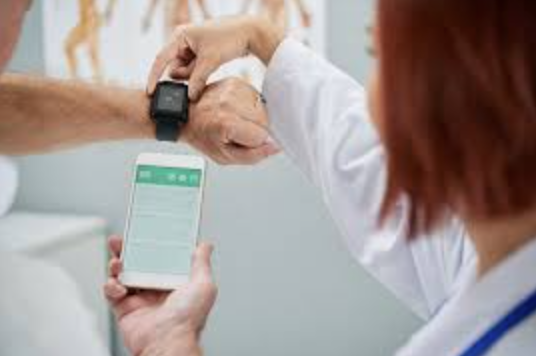
Wearable health technology has emerged as a pivotal tool in patient monitoring. These devices facilitate continuous data collection, allowing for real-time health assessments. By tracking vital signs and health metrics, they enhance the accuracy of health information. This shift not only promotes patient engagement but also supports better adherence to treatment plans. As these technologies evolve, understanding their implications for healthcare systems becomes increasingly important. What developments lie ahead for this transformative approach?
How Wearable Health Technology Works for Patient Monitoring
Wearable health technology has increasingly become a crucial component in patient monitoring, enabling continuous data collection and real-time health assessments.
Through remote monitoring, these devices gather vital signs and health metrics, enhancing data accuracy.
Key Benefits of Using Wearable Devices in Healthcare
Although the integration of wearable devices in healthcare presents various challenges, their key benefits significantly enhance patient care and health outcomes.
These devices promote patient engagement by encouraging proactive health management.
Additionally, advancements in data security ensure that sensitive health information remains protected, fostering trust between patients and healthcare providers.
Ultimately, wearable technology empowers individuals to take charge of their health while ensuring privacy.
Popular Wearable Health Devices and Their Features
The landscape of health technology is increasingly populated with a variety of popular wearable health devices, each designed to monitor and enhance individual wellness.
Smartwatches feature heart rate monitoring, sleep tracking, and app integration, while fitness trackers focus on step counting, calorie tracking, and exercise metrics.
These devices empower users to take control of their health through real-time data and personalized insights.
See also:Wearable Health Technologies Explained
Future Trends in Wearable Health Technology for Patients
As technology continues to evolve, patients can anticipate significant advancements in wearable health devices that will further enhance their ability to monitor and manage health conditions.
Future trends indicate a stronger AI integration, allowing for personalized health insights and predictive analytics.
However, ensuring data privacy remains paramount, as users seek freedom in managing their health without compromising sensitive information.
Conclusion
In the evolving landscape of healthcare, wearable health technology emerges as a lighthouse amidst the fog of chronic disease management, illuminating pathways for both patients and providers. By facilitating continuous data collection and real-time insights, these devices weave a tapestry of patient engagement and informed decision-making. As integration with healthcare systems strengthens, the horizon gleams with the promise of enhanced monitoring, ultimately transforming the patient experience into one marked by empowerment and proactive health stewardship.