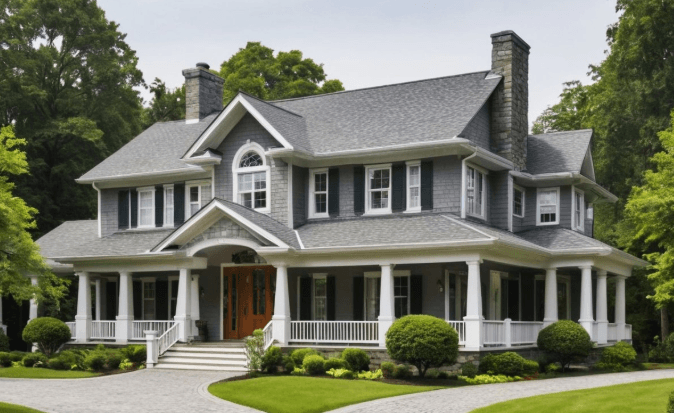
A fresh exterior look begins with a considered color plan that defines the home’s silhouette. A restrained palette, balanced by neutrals, creates immediate curb appeal. The front door should act as a focal point with bold, contrasting accents that anchor the scheme. Trim, siding, and stone must harmonize, establishing rhythm and smooth transitions. Preparation and durable finishes matter; precise primer and weather-ready coatings underpin longevity. The next steps reveal practical strategies to achieve durable, sophisticated expression.
Choose a Focal Color Scheme for Immediate Curb Appeal
Selecting a focal color scheme establishes an immediate curb appeal by defining the home’s silhouette and conveying its architectural language. A deliberate palette balances focal color contrast with supporting neutrals, aligning with a cohesive curb appeal strategy. The approach emphasizes visual hierarchy, material texture, and light interaction, enabling residents to project freedom through precise, purposeful color relationships and measured exterior composition.
Make the Front Door the Star: Bold Accents That Anchor Your Palette
The front door serves as the visual anchor of the exterior palette, with bold accents drawing the eye and establishing a tonal roadmap for the facade. Front door color ideas should emphasize contrast, while bold accents for entryways create focal depth without overwhelming surrounding materials. Strategic color decisions foster clarity, restraint, and an intentional, freedom-infused architectural statement.
Harmonize Trim, Siding, and Stone for Lasting Balance
Harmonizing trim, siding, and stone creates a cohesive exterior, balancing texture and color while preserving architectural integrity. The approach emphasizes deliberate contrast and rhythm, aligning material scale with overall massing.
Designers harmonize trim, siding; stone balance through measured color relationships, ensuring lasting harmony.
Precision in transition points prevents visual hotspots, fostering a durable, timeless facade with restrained sophistication and freedom for expressive accents.
Practical Prep, Finishes, and Weather Tips for Durable Results
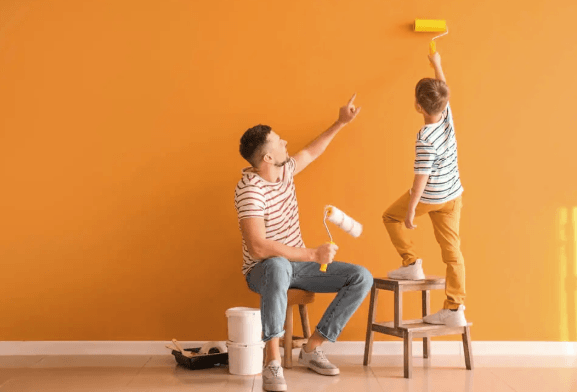
Exterior painting requires disciplined preparation, appropriate finishes, and proactive weather considerations to ensure durability and color longevity. The discussion emphasizes practical prep ideas that minimize surface defects, ensure primer adhesion, and optimize film build. Finishes are selected for exterior tolerance and aesthetic intent, while weather considerations govern timing, humidity windows, and cure rates. A confident, freedom-minded approach aligns technique with expressive, lasting results.
Frequently Asked Questions
How Do Environmental Factors Influence Paint Color Longevity Here?
Environmental aging accelerates color fading and surface wear, influenced by sun exposure, humidity, and pollution. Pigment stability dictates longevity, with stable pigments resisting UV-induced breakdown and chalking. The aesthetic balance favors durable formulations supporting freedom in expression.
What Upfront Costs Should I Budget for Quality Exterior Paint?
Cost estimates for quality exterior paint typically range widely, reflecting material quality and project scope; buyers should budget for primers, coatings, and labor. The discussion alludes to durability, efficiency, and aesthetic intent, aligning financial planning with architectural freedom.
Which Sheen Level Best Resists Dirt in My Climate?
In this climate, the best choice is a high-sheen acrylic that resists dirt, balancing durability and washability. The determination hinges on two word ideas: sheen durability, climate dirt, guiding selection for a visually liberated, technically informed outcome.
Can You Mix Colors to Create a Cohesive Exterior Theme?
Can color coordination calmly creates cohesion: yes, mixing hues can craft a cohesive exterior theme. The technique balances balance, brings curb appeal, and preserves architectural integrity, enabling freedom-loving homeowners to foreseeably fuse focal tones with nuanced neutrals.
See also: Wearable Health Technologies Explained
How Often Should You Repaint Exterior Siding to Prevent Fading?
Exterior maintenance dictates repainting every 5–10 years to minimize fade, depending on climate and coating quality. The approach emphasizes color longevity, and the balance between aesthetics and durability supports a freedom-seeking audience in technical harmony.
Conclusion
In closing, the exterior refresh achieves a quietly confident equilibrium, where color strategy subtly guides perception without shouting. The focal scheme carefully anchors the house’s silhouette, while the front door radiates as a controlled accent rather than a loud proclamation. Trim, siding, and stone converge with disciplined rhythm, yielding a balanced, durable expression. With prudent prep and weather-ready finishes, the result offers longevity and polish, a refined aesthetic that honors materials and climate while inviting, rather than overpowering, the landscape.