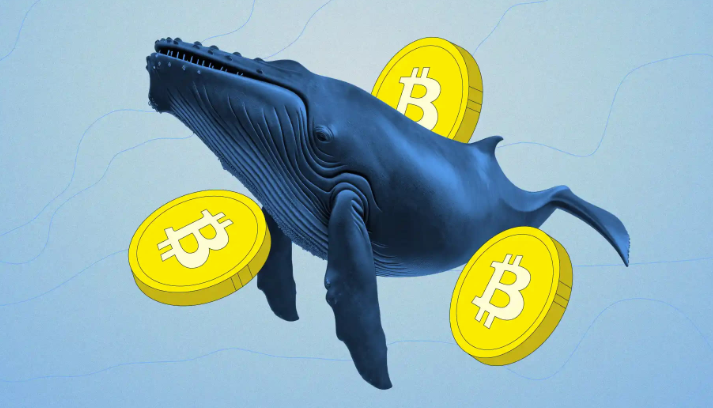
Crypto whales influence prices through large, precisely timed trades that move supply and demand. Their activity interacts with liquidity depth, order flow, and hidden liquidity, creating pressure that sizable traders struggle to absorb. Migration patterns cluster transactions around key levels, amplifying moves. Market psychology and hype can magnify effects, even as exit waves signal risk-off dynamics. A disciplined, data-driven approach is required to detect signals and manage risk, yet questions remain about permanence and scope.
What Makes Crypto Whales Move the Market
Crypto whales move the market primarily through the size and timing of their trades, which can create price pressure that smaller participants struggle to absorb.
Analysis notes that migration patterns influence transaction clustering, while whale concentration around key levels amplifies impact.
Observers caution that behavior may reflect capital accessibility and strategic positioning, not guaranteed profit, underscoring the need for disciplined risk assessment.
How Liquidity and Order Flow Drive Price Action
Liquidity and order flow act as the immediate arteries through which market activity translates into price movement.
The analysis focuses on how liquidity sourcing shapes depth and resilience, while order flow dynamics reveal real-time pressure patterns across bids and asks.
Price action correlates with queued liquidity changes, execution slippage, and hidden liquidity, demanding cautious, data-driven interpretation.
Freedom-minded readers appreciate transparency over conjecture.
Market Psychology: Sentiment, Hype, and Exit Waves
Market psychology shapes price dynamics through collective sentiment, hype cycles, and orderly exits.
Sentinel observations indicate sentiment shifts correlate with short-term volatility, as social signals and on-chain indicators diverge or converge around key price levels.
Hype cycles may precede liquidity squeezes, while exit waves reflect risk-off behavior and information absorption, tempering overreactions.
Data-driven analysis emphasizes disciplined interpretation over narrative amplification.
How to Detect Whale Activity and Protect Your Trades
Detecting whale activity requires a disciplined, data-driven approach that separates signal from noise. Analysts emphasize whale tracking metrics, such as large-transaction timing, wallet clustering, and flow fluctuations, to discern intent. Traders should integrate these insights with robust risk management practices, including position sizing and stop discipline, ensuring exposure remains proportional to verified signals rather than hype.
Frequently Asked Questions
Do Whales Impact Long-Term Macroeconomic Trends in Crypto Markets?
Whale liquidity influences macro cycles but does not deterministically drive long-term macroeconomic trends; their actions modulate liquidity, create pockets of volatility, and align with broader market fundamentals, implying indirect, cautious impact rather than unilateral direction on crypto economics.
Which Specific Exchanges Host the Largest Whale Wallets?
Like a calm tide revealing hidden depths, exchanges hosting whale wallets include Binance and Coinbase, though data varies. The analysis notes regulatory impact and emphasizes cautious attribution of holdings; precise mappings require ongoing, transparent on-chain and exchange-reported data.
Can Whales Manipulate Derivatives Beyond Spot Price Moves?
Whale liquidity can influence derivatives beyond spot moves, though price impact tends to stem from order book dynamics and risk parity considerations. Analysts describe cautious, data-driven scenarios where large positions shift funding rates, curve shapes, and liquidity depth.
How Do Regulatory Changes Affect Whale Trading Behavior?
Regulatory changes alter whale trading behavior by elevating regulatory risk and reshaping liquidity horizons; analysts observe shifts toward risk-adjusted strategies. Whale liquidity may tighten as compliance costs rise, prompting diversification, hedging, and slower execution amid uncertainty.
see also: Wearable Health Technology for Monitoring Patients
What Indicators Reliably Predict Whale Entry Versus Exit Signals?
Whale clustering signals potential entry, whale clustering signals potential exit, order book leakage signals potential entry, order book leakage signals potential exit; indicators are analytical, data-driven, and cautious, guiding readers seeking freedom through disciplined interpretation of market signals.
Conclusion
Crypto whales exert outsized influence on price through trade size, timing, and clustering around key levels, shaping liquidity, order flow, and hidden liquidity. Liquidity depth and migration patterns create detectable pressure points, while sentiment and hype can magnify moves and trigger exit waves. A disciplined, data-driven approach is essential to distinguish signal from noise, manage risk, and avoid impulsive responses. In volatility, market dynamics resemble a compass in a storm, guiding prudent decisions toward safer anchors.